
Have you ever thought about freelancing but wondered what service you could offer? Perhaps you have experience organizing information, writing, designing, communicating with people, or helping others solve problems. You may have useful skills without realizing that someone could benefit from them.
Freelancing allows you to offer your skills and services to clients on project or contract basis. You don’t need to be expert in everything to begin exploring it. What matters is identifying what you can do, understanding what potential clients need, and being willing to improve your skills.
In this guide, you will learn how to identify a freelance service you can offer as a beginner, assess your existing abilities, and choose a practical next step towards getting started.
1. Start by Identifying the Skills You Already Have
Before deciding which freelance service to offer, take some time to identify the skills, knowledge, and experience you already have. You may have developed useful abilities through your job, education, hobbies, volunteer work, or everyday responsibilities.
For example:
- Writing and communication: You may be able to write clear emails, proofread documents, prepare reports, or communicate professionally with customers.
- Organizing and administration: You may be good at organizing files, managing schedules, entering data, or keeping records.
- Design and creativity: You may enjoy creating invitations, flyers, social media graphics, or simple promotional materials using Canva
- Research and problem-solving: You may know how to gather information, compare options, organize findings, or help people make informed decisions.
- Teaching and support: You may be good at explaining concepts, tutoring beginners, preparing learning materials, or helping others use digital tools.
These are examples of abilities that can be developed into services. However, having an interest in something doesn’t automatically mean you are ready to sell it. Consider what you can do reliably today and where you need more practice.
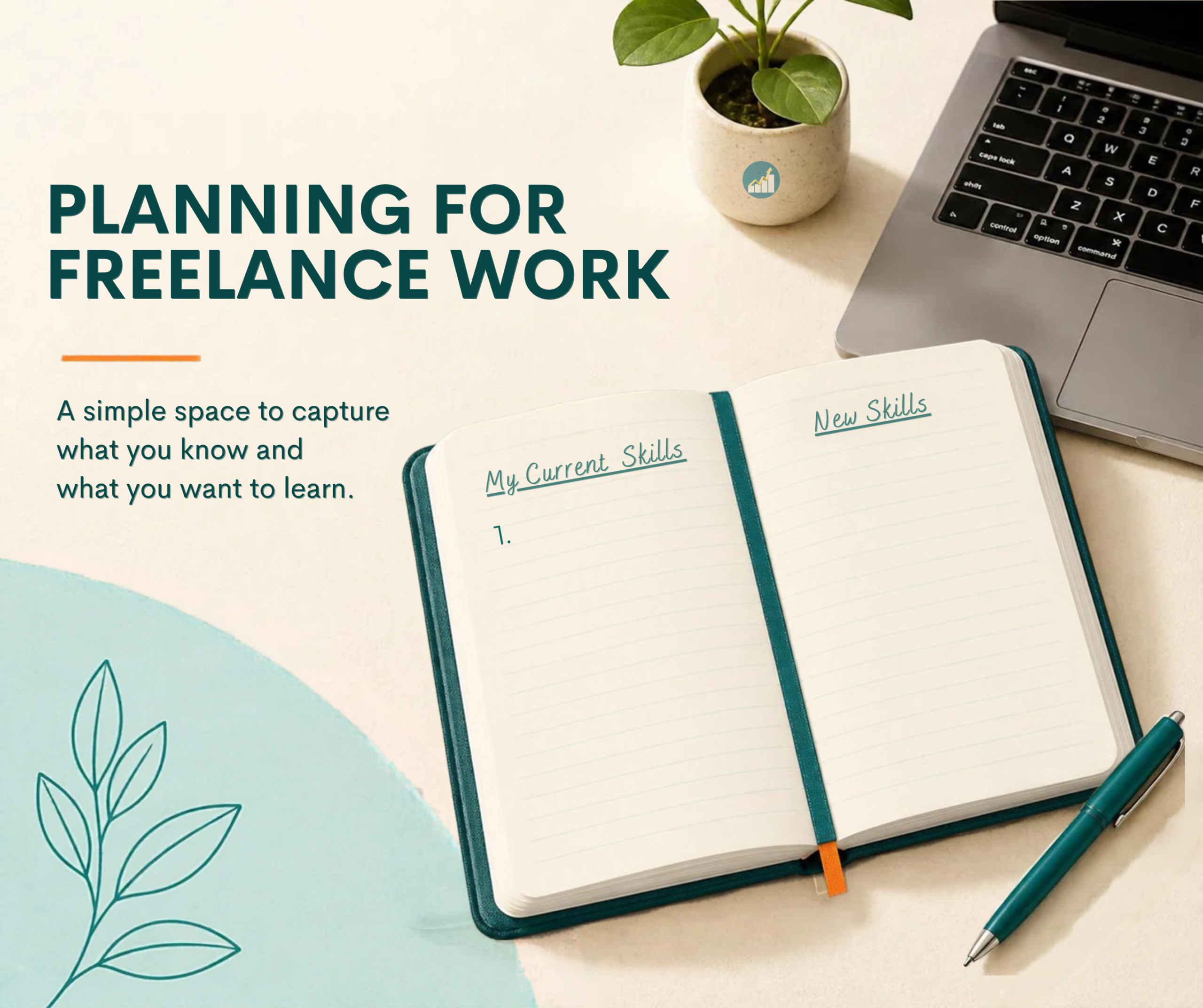
A simple exercise: Write down five things you can do reasonably well. Include skills you use at work, tasks people often ask you to help with, and activities you have learned through personal experience. Don’t worry about choosing a freelance service yet. First, understand what you bring to the table.
2. Identify Problems You Can Help People Solve
Knowing your skills is a good starting point, but the next step is to consider how you could use them to help other people. Clients generally pay for services that meet a need, save time, solve a problem, or help them achieve a goal.
For example:
- If you are good at organizing information, you could explore offering data entry or spreadsheet organization services.
- If you enjoy writing and have strong writing skills, you could consider proofreading, editing, or preparing simple business documents.
- if you have basic design skills, you could create flyers, invitations, or social media graphics for individuals and small businesses.
- If you are comfortable with administrative tasks, you could explore virtual assistance, such as managing appointments, organizing files, or handling routine email tasks.
- If you are skilled at research, you could offer services such as gathering information, compiling contact lists from appropriate public sources, or preparing simple research summaries.
These are possible starting points, not guaranteed opportunities. Each service requires its own level of skills, and clients may have specific expectations.
to narrow your options, ask yourself three questions:
- What problem can I help someone solve?
- Who might need this service?
- Can I deliver the service reliably, or do I need more practice first?
For example, a small business owner may need help creating simple social graphics but may not have the time to make them. If you can create clear, attractive designs using Canva, this could be a service worth exploring.
The goal is to connect what you can do with a real need – not simply to choose a service because it sounds popular.
3. Choose a Service You Can Start Developing Now
Once you have identified your skills and considered the problems you could help solve, narrow your options to one service you can realistically develop and offer.
You don’t have to offer everything you know to do. Starting with one clear service makes it easier to practice, explain what you offer, and show potential clients what they can expect.
Consider these three factors when choosing your services:
Your current skill level: Choose something you can deliver reliably or can become ready to deliver with focused practice. If you need to improve, identify the specific skills you must develop before accepting paid work.
Your available time and resources: Consider the time you can commit, the tools you need, and whether you have reliable access to them. For example, some administrative services may require a computer, internet access, and familiarity with common office applications.
Your interest and willingness to learn: Freelancing requires practice, patience, communication, and continued learning. Choose a service you are willing to improve rather than one you are interested in only because you heard it can be profitable.
Foe example, if you enjoy organizing information and are comfortable using Microsoft Excel, you might begin by practicing how to format spreadsheets and organize simple records. Once you can deliver this work accurately and consistently, you can explore whether spreadsheet organization is a suitable service to offer.
Try this exercise: Review the five skills you listed earlier. Choose the one you feel most confident using, then write down one specific service you could develop from it. You can keep your other ideas for later.
Remember, your first choice doesn’t have to define your entire freelance career. You can start with one service, gain experience, and expand your offerings as your skills grow.
4. Research the Demand for Your Service
Identifying a service you can offer is an important first step. However, you also need to find out whether people or businesses many be willing to pay for it.
You don’t need expensive research tools to begin. Start by gathering information from sources you can access.
Look at businesses around you. Think about small businesses, entrepreneurs, professionals, and community organizations that might need your services. For example, a small business may need help preparing promotional flyers, organizing records, or managing routin administrative tasks.
Explore freelance platforms. Browse platforms such as Upwork and Fiverr to see how freelancers describe similar services, what clients request, and which skills or tools appear in service listings. Treat listings as clues about potential demand, not proof that you will get work.
Observe questions and requests. Pay attention to the problems people discuss in relevant professional groups, business communities, and online forums. Look for recurring needs that your skills could help address. Follow group rules and respect people’s privacy when conducting your research.
Speak with potential clients. If possible, ask a few business owners or professionals about the tasks they find difficult, time-consuming, or expensive. Listen carefully rather than assuming you already know what they need.
As you research, record what you discover. Note the service, the type of client who might need it, the problem it solves, and any skills or tools required to deliver it.
Remember that see similar services online doesn’t guarantee that there is enough demand in your target market. Research helps you make a more informed decision before committing your time and resources.
5. Practice Your Skills and Create a Sample
Before approaching a potential client, take time to practice your chosen service and prepare a sample that demonstrates what you cand do.
A work sample gives potential clients a clearer idea of your abilities. You don’t necessarily need previous freelance clients to create one. You can develop a sample using a fictional business, a practice project, or a task based on a realistic situation. Clearly identify practice work as a sample rather than presenting it as paid client work.
Here are a few examples:
- Canva design: Create a promotional flyer or a set of social media graphics for a fictional small business.
- Microsoft Excel: Prepare a sample expense tracker or sales spreadsheet using fictional data.
- Writing and editing: Writing a sample business introduction, proofread a short document, or prepare a clear, professional email.
- Virtual assistance: Create a sample weekly schedule, organize fictional records, or prepare a simple task-tracking spreadsheet.
As you practice, focus on accuracy, presentation, and meeting the requirements of the task. Ask someone you trust to review your work, or compare it against reliable examples and professional standards.
You can gradually build a small portfolio containing your best samples. A portfolio helps you demonstrate your skills when explaining your services to potential clients.
You don’t need a large portfolio to begin. One or two relevant, well-prepared samples can be useful starting points while you continue developing your abilities.
Your next action: Choose one sample project you can complete with the tools available to you. Set a realistic deadline and focus on producing work that demonstrates the service you want to offer.
6. Take Your First Step and Keep Learning
Once you have chosen a service, researched potential demand, and practiced your skill, you can begin exploring ways to find your first clients.
Start with a manageable approach that suits your circumstances.
- Tell people what you offer. Explain your services clearly to people in your professional network or community who may know someone who needs it. Avoid spamming people or sending unsolicited messages repeatedly.
- Build a simple portfolio. Organize your best work samples so potential clients can understand what you can do.
- Explore suitable freelance platforms. Review the requirements, fees, competition, and safety guidelines of any pltaform before investing your time or money.
- Communicate professionally. Learn how to understand a client’s requirements, agree on the scope of work, discuss deadlines, and confirm payment terms before starting a project.
- Ask for feedback and improve. Review what you learn from practice projects, client conversations, and unsuccessful attempts. Use that information to strengthen your skills and refine your service.
You may not find a client immediately, and your first service idea may need adjustments. That is part of the learning process. Pay attention to feedback, identify areas for improvement, and keep building your experience.
Be cautious of offers that promise guaranteed income or require you to pay suspicious upfront fees to access work. Research opportunities carefully and protect your personal and financial information.
The goal is not to rush into freelancing. It is to build the skills, confidence, and practical preparation that will help you pursue suitable opportunities more effectively.
Conclusion: Start with What You Know
Identify a freelance service you can offer as a beginner start with understanding your existing skills, recognizing how you can help others, and choosing a service you can develop and deliver reliably.
You don’t need to have everything figured out before you begin. Take time to research potential demand, practice your skills, create a sample of your work, and learn how to communicate the value of your service to potential clients.
Remember, freelancing is a process of learning and improvement. Your first service many change as you gain experience, discover new opportunities, and develop your abilities.
Your next step: Write down five skills you already have, choose one that could solve a problem for someone else, and identify a small project that you can practice this week. start where you are, use the resources available to you, and build your skills one step at a time.
At Jobaddoo, we’re her to help you learn practical skills, explore opportunities, and take confident steps towards working for yourself.
Ready to build your skills? Explore more practical guides on Jobaddoo to help you develop your abilities and prepare for freelancing.
Leave a Reply